Recycling and Sustainability for Man With A Van West Hampstead
 At Man With A Van West Hampstead, sustainability is built into the way we move homes, offices, and single items across the borough. Our recycling-focused removals service is designed to reduce waste, keep reusable goods in circulation, and support responsible disposal where recycling is the right outcome. We know that every move can create packaging, unwanted furniture, and surplus household items, so we plan each job with reuse, separation, and recovery in mind.
West Hampstead sits within an area where local waste rules and borough-level collection systems encourage residents to sort materials carefully. That matters to our work because a successful West Hampstead man and van recycling approach depends on separating cardboard, mixed dry recycling, metal, WEEE items, textiles, and general waste before anything leaves the property. By matching items to the correct route, we help minimise contamination and improve the chance that materials are genuinely processed rather than discarded.
 Our recycling percentage target is simple and measurable: we aim for at least 90% of suitable move-related material to be diverted from landfill through reuse, donation, recycling, or approved recovery routes. That includes packing materials, broken-down furniture components, and item streams that can be sorted for specific facilities. This target guides the way our Man With A Van West Hampstead recycling service operates, from arrival at the property to final drop-off.
Where possible, items are prioritised for reuse before recycling. Good-quality desks, chairs, shelving, and household goods may be directed toward charity partners who can pass them on to families, community projects, or low-income households. This keeps usable goods in circulation and supports a more circular local economy. For many customers, knowing that their belongings can help someone else is one of the most practical forms of sustainable moving.
We also work with local transfer stations and authorised waste handling facilities that accept separated loads from domestic and commercial moves. These sites play an important role in the borough’s wider waste system because they can process bulky waste, timber, scrap metal, and recyclable mixed loads more effectively than general disposal routes. In a busy London setting, using the right transfer station helps reduce unnecessary mileage and improves the efficiency of the overall recycling chain.
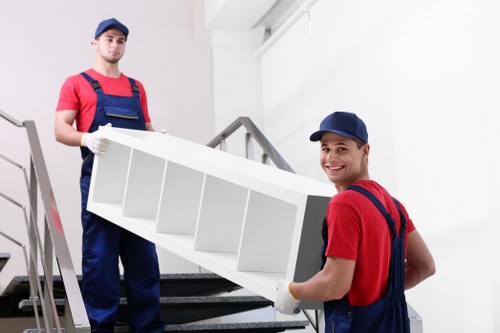 Our crew is trained to identify recyclable streams during a job, including corrugated cardboard from boxes, clean soft plastics from wrapping, metal fittings, and electrical items that require specialist handling. In areas where boroughs encourage residents to split dry recycling from food waste and residual rubbish, that same habit transfers naturally into removals work. The result is a cleaner load, better sorting, and a more dependable outcome for the environment.
We also take care with waste arising from office clearances and landlord changes, where paper archives, office furniture, monitors, and cables may all need different treatment. Office paper and cardboard are straightforward recycling streams, while electronics require WEEE-compliant handling. For a West Hampstead man with a van recycling solution, this attention to separation is essential because it prevents valuable materials from being mixed with waste that cannot be recovered.
Our low-carbon vans are part of the same commitment. We operate efficient vehicles that are chosen for lower emissions, sensible payload use, and reliable city driving. By planning routes carefully, combining pickups where appropriate, and avoiding unnecessary empty miles, we reduce fuel consumption without compromising service quality. The approach supports lower-emission removals and makes the overall operation better aligned with urban sustainability goals.
Packaging reduction also plays a significant role. We encourage the reuse of sturdy boxes, blankets, and protective materials wherever safe and practical, and we avoid over-wrapping items that do not need it. When new materials are necessary, they are selected with recycling in mind, so our customers receive a move that is both secure and environmentally responsible.
 Charity partnerships are especially important when homes or flats contain items that are still in good condition but no longer needed. Sofas with life left in them, tables, lamps, kitchenware, books, and children’s items can often find a second home through charitable reuse channels rather than being broken down too soon. This extends product life and reduces the demand for newly manufactured replacements.
In practical terms, this means a Man With A Van West Hampstead recycling job may include sorting at collection time, allocating reusable goods for donation, and routing recyclable residue to the right transfer station. The process is designed to be efficient, but it also reflects a wider belief that moving services should support the communities they serve. Responsible disposal is not an extra service; it is part of the job itself.
Our work also aligns with local expectations around waste separation in dense neighbourhoods, where limited space, shared bins, and varied property types make careful sorting especially important. By keeping recyclables distinct from general rubbish, we help ensure that the materials collected from West Hampstead homes, flats, and offices have the best chance of entering the correct recovery stream.
 Sustainability in removals is not only about one collection or one journey. It is about a consistent system that supports reuse, improves recycling performance, and cuts unnecessary emissions at every stage. With a focus on local transfer stations, charity partnerships, low-carbon vans, and a high recycling target, Man With A Van West Hampstead aims to offer a moving service that is practical, efficient, and environmentally aware.
For customers looking for a greener West Hampstead van recycling service, the goal is straightforward: move well, waste less, and keep useful materials in circulation for as long as possible. That is how a local removals company can contribute meaningfully to sustainability while still delivering a dependable service across the area.