House removals NW6 cost and real cost breakdown
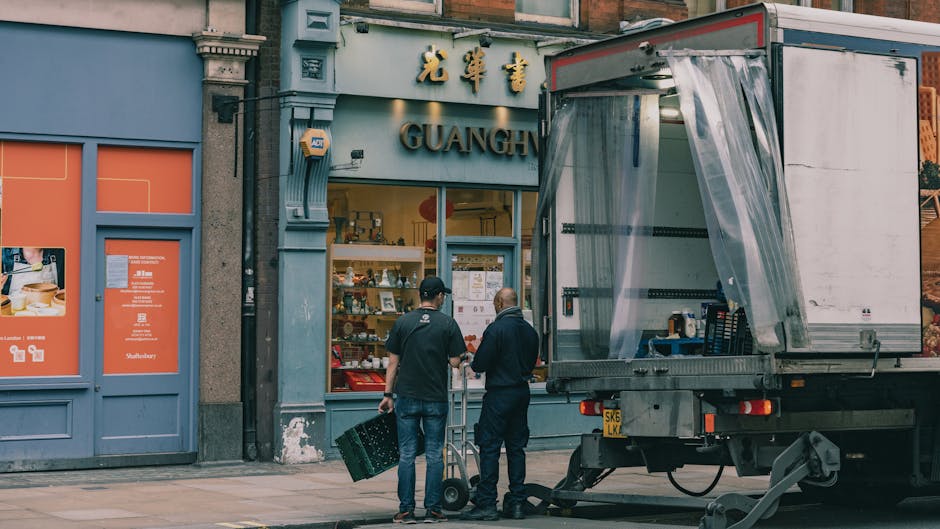
If you are trying to work out House removals NW6 cost and real cost breakdown, you are probably doing the same thing most people do before a move: opening three tabs, comparing quotes, and wondering why one price looks far too cheap while another feels strangely high. Fair enough. Moving in NW6 can be straightforward, but the final bill often depends on the bits people forget to count - stairs, packing time, parking, long carries, awkward furniture, and the fact that moving day never quite goes to plan.
This guide breaks everything down in plain English. You will see what actually drives the cost, what is usually included, what gets added later, and how to judge whether a quote is genuinely good value. We will also cover practical ways to reduce the bill without cutting corners, because saving money is one thing; creating a stressful move is another. Nobody wants that at 7:30 on a damp Friday morning with a kettle still in a box.
Why House removals NW6 cost and real cost breakdown Matters
Cost matters because house moves are one of those expenses that can look simple from the outside and become messy very quickly once the details come out. NW6 covers a busy part of northwest London, and that usually means tighter access, more parking pressure, narrower streets in some pockets, and more time spent loading or unloading than people expect. Even a small delay can change the cost if the quote is based on time rather than a fixed move price.
A clear breakdown helps you answer the right questions: Is the quote for labour only, or does it include vehicle hire too? Is packing included? What about dismantling furniture? Are there charges for travel time, waiting, or congestion-sensitive routes? If you know the structure of the cost, you can compare companies properly instead of just comparing the headline number. That is where people often get caught out.
There is also peace of mind. A realistic quote usually reflects the actual work involved. A quote that is suspiciously low can be a warning sign that extra charges will appear later. In our experience, the cheapest option is rarely the cheapest once the van is full, the sofa will not fit through the door, and someone has to go back for more boxes.
Practical takeaway: the real cost of a house removal in NW6 is not just the van and the team. It is the whole moving day equation - access, time, packing, insurance, and the level of help you need.
Table of Contents
- Why House removals NW6 cost and real cost breakdown Matters
- How House removals NW6 cost and real cost breakdown Works
- Key Benefits and Practical Advantages
- Who This Is For and When It Makes Sense
- Step-by-Step Guidance
- Expert Tips for Better Results
- Common Mistakes to Avoid
- Tools, Resources and Recommendations
- Law, Compliance, Standards, or Best Practice
- Options, Methods, or Comparison Table
- Case Study or Real-World Example
- Practical Checklist
- Conclusion
- Frequently Asked Questions
How House removals NW6 cost and real cost breakdown Works
Most house removal quotes in NW6 are built from a few core components. Some companies price by the hour, some by the volume of items, and others by a fixed quote after assessing the property. The method matters, because the pricing model shapes the final number. A time-based move is flexible, but if access is awkward, the bill can rise. A fixed quote feels safer, but it only works well if the survey was detailed and honest.
Here is the simple version of how the cost tends to stack up:
- Labour: the crew moving, lifting, loading and unloading your belongings.
- Vehicle: the removal van or moving truck, plus fuel and running costs.
- Time: the number of hours the job takes, including traffic and access delays where relevant.
- Packing support: boxes, tape, wrapping, and full or partial packing services if you choose them.
- Special items: bulky furniture, pianos, fragile antiques, or anything that needs extra care.
- Access factors: stairs, lifts, restricted parking, long carries, or permit-related complications.
- Storage: if your move-in and move-out dates do not align, temporary storage may be needed.
For a typical NW6 house move, the quote may also reflect whether you need a full removals team or a smaller man and van style service. That smaller option can suit lighter moves, but it is not always the best answer for a family home with beds, white goods, and a room full of boxes that somehow multiplies overnight.
If you want a broader overview of how quote structures are built, it is worth reviewing the company's pricing and quotes information as part of your decision-making. You are looking for clarity, not mystery.
| Cost component | What it usually covers | Why it changes the final bill |
|---|---|---|
| Labour | Removal staff for loading, transport and unloading | More items, heavier items, or slower access means more time on site |
| Vehicle | Van or truck, fuel and travel between addresses | Longer distance or larger vehicle needs more cost |
| Packing | Boxes, wrapping, tape, and packing time | Full packing adds labour but can reduce breakage and stress |
| Access | Stairs, parking, loading distance, lift access | Poor access slows everything down, sometimes by a lot |
| Extras | Storage, dismantling, special handling, late changes | These are the bits people forget to budget for |
Key Benefits and Practical Advantages
A good cost breakdown does more than help you save money. It helps you make better decisions. Once you can see where the money is going, you can choose what to do yourself and what to leave to the professionals. That balance is often the difference between a smooth move and a day that feels a bit too long.
Some of the main advantages are very practical:
- Better budgeting: you can set aside a realistic amount instead of guessing.
- Fewer surprises: fewer add-ons if the quote is detailed from the start.
- Smarter service choice: you may realise you only need partial packing or a smaller van.
- Less damage risk: proper packing and handling can reduce breakages and snagging on walls.
- Better timing: a well-planned move usually finishes sooner and feels less frantic.
There is another advantage people overlook: confidence. When you know the likely real cost, you are less likely to panic-book the first option that answers the phone. That sounds obvious, but moving day pressure does funny things to judgement. You can be perfectly rational on Tuesday and a bit reckless by Thursday afternoon.
For some moves, the right answer is not the largest team, but the most suitable one. If you are downsizing, moving from a flat, or shifting only part of a household, alternatives like flat removals or home moves may be more relevant than a full-scale house move package. The best choice is the one that matches the job, not the one with the flashiest sales line.
Who This Is For and When It Makes Sense
This topic is most useful if you are in one of a few common situations. First-time buyers often need it because their moving budget is already stretched thin by deposits, legal fees and all the little extras that somehow never feel little. Families use it to avoid underestimating the cost of a bigger move. Landlords, sellers and renters may also need a clear breakdown when the move has to happen quickly or on a fixed date.
It also makes sense if you are comparing service types. For example, if your move is straightforward and your belongings are limited, a removal van with a small crew might be enough. If you have heavier furniture, awkward access, or several bedrooms' worth of items, a more complete removal services package may be the safer choice.
NW6 is especially relevant for people moving in and around West Hampstead, Kilburn, Queen's Park edges and nearby residential streets. The area is dense enough that a tiny planning mistake can become an expensive one. Not disastrous. Just annoying, which sometimes feels worse.
This article is also helpful if you are deciding whether to do a bit yourself. Packing your own clothes and books may save money. Paying for the awkward stuff - furniture, mattresses, and stair-heavy lifting - may still be worth it. The trick is knowing where your energy is best spent.
Step-by-Step Guidance
Here is a straightforward way to work out the real cost and avoid paying for unnecessary extras.
- List everything that is moving. Walk room by room and write down the bulky items, fragile items, and anything awkward.
- Note the access at both addresses. Think stairs, lifts, parking, long garden paths, and whether the van can get close to the door.
- Decide what you will pack yourself. Full packing is convenient, but it is not always needed for every item.
- Choose the right move type. A full house removal, a smaller van-based move, or even a partial service can change the budget significantly.
- Ask for a clear quote breakdown. Make sure you understand labour, vehicle time, packing materials and any likely extras.
- Check whether storage is needed. If there is a gap between move-out and move-in dates, storage can become part of the real cost.
- Confirm the timing. Weekend moves, end-of-month moves and short-notice bookings can be harder to arrange.
- Read the terms carefully. Cancellation rules, waiting charges and payment expectations matter more than people think.
If you want a practical next step, compare your own list with a company's quote process and see whether it feels transparent. If the numbers make sense, good. If not, ask more questions before committing. You will know pretty quickly if the answer is clear or a bit hand-wavy.
A simple cost-thinking example
Imagine a two-bedroom house in NW6 with stairs at both ends, a few heavy items, and standard packing. The real cost will usually be shaped more by labour time and access than by the distance travelled. Now compare that with a similar house where parking is easy, everything is boxed already, and the van can sit right outside. Same postcode, very different job. That is why "average price" articles can be misleading. The move itself is the unit of cost, not the postcode alone.
Expert Tips for Better Results
A few small decisions can make a surprising difference. These are the bits people learn after one stressful move and, to be honest, sometimes only after two.
- Book an honest survey. A quick phone estimate is useful, but a proper assessment is better for real pricing.
- Declutter before moving day. Less stuff means less labour, less packing and less van space used.
- Separate high-risk items. Keep passports, chargers, medicines and documents with you, not on the van.
- Label boxes clearly. It speeds up unloading and makes the crew more efficient.
- Check parking early. In NW6, parking can be the quiet little problem that causes everything else.
- Be realistic about DIY packing. If you are rushed, the savings can vanish in breakages or delays.
One more thing. If a company offers support with packing and boxes, that can be a useful middle ground. You do not always need the full-service version. Sometimes you just need the right help in the right places.
And yes, measure the sofa doorway before moving day. It sounds basic because it is basic. Yet it is also where many moves start muttering under their breath.
Common Mistakes to Avoid
The biggest mistakes are usually not dramatic. They are small, reasonable-looking choices that become expensive later.
- Choosing the lowest quote without checking what is included. A cheap headline price can hide time charges or extra fees.
- Underestimating volume. Two extra wardrobes and a pile of boxes can shift the whole move into another price band.
- Ignoring access issues. A third-floor walk-up is not the same as a ground-floor front door. Obviously, but people forget in the rush.
- Leaving packing too late. Last-minute packing is slower, messier and more likely to damage items.
- Forgetting storage costs. A gap between properties can add a real but unplanned expense.
- Not asking about waiting time. If keys are delayed, the clock may still be running.
A fair comparison should always be based on the same scope. If one quote includes packing materials, dismantling, and insurance cover while another does not, they are not really comparable. They only look comparable, which is not the same thing at all.
Tools, Resources and Recommendations
You do not need a complicated toolkit to plan a house move well. A notebook, a phone camera, a tape measure and a basic inventory list will get you a long way. Photos of each room are especially useful when you are comparing quotes or explaining access problems. It is much easier than trying to remember whether the dining table has two leaves or three.
Practical resources from the company website can also help you understand related services and make a better choice. Depending on your move, you may want to review house removals, house removalists, or removal companies if you are comparing how different providers frame their service. For smaller, more flexible jobs, man with a van can be a useful phrase to understand as well.
If you are moving a student flat, part-load, or lighter household, the service profile may be different again, so it is worth looking at student removals as a reference point even if you are not a student. The point is not the label. The point is matching the job properly.
For people who want reassurance around operational standards, the company's health and safety policy, insurance and safety, and terms and conditions pages are the kinds of documents worth reviewing before you book. They help you understand the rules of the move in a calm, non-salesy way.
Law, Compliance, Standards, or Best Practice
House removals do not usually involve complicated regulation for the customer, but there are still sensible standards to respect. The most obvious is safety: items should be loaded and handled in a way that reduces risk to people and property. Good moving practice also includes clear communication about what is being moved, what is excluded, and what happens if access changes on the day.
In the UK, it is normal to expect a removals company to carry appropriate insurance, to explain liability limits in plain English, and to operate with proper handling procedures for heavy or fragile items. That does not mean every move is risk-free. It means the provider should be able to explain how they reduce risk and what they do if something goes wrong.
Parking and access also matter in London. If a van cannot stop safely nearby, loading time rises and the job can take longer. If there are building rules, lift bookings or timed access windows, those should be known in advance. Best practice is simple: say everything early, and write down the moving day plan. It saves everyone a headache.
For peace of mind on practical and payment matters, it can help to read the company's payment and security information and, if sustainability matters to you, the recycling and sustainability page too. That gives you a fuller sense of how the business operates, not just how it prices the job.
Options, Methods, or Comparison Table
Different move types suit different budgets. This table gives a practical comparison, not a perfect one-size-fits-all answer.
| Option | Best for | Cost tendency | Main trade-off |
|---|---|---|---|
| Full house removals | Families, larger homes, heavier furniture | Higher, but more comprehensive | More expensive upfront, less stress on the day |
| Man and van | Smaller moves, partial loads, light household moves | Usually lower for simple jobs | May not suit large or complex moves |
| Packing add-on | Busy households, fragile items, time-poor customers | Raises cost, saves time | Convenience versus extra spend |
| Storage plus removals | Delayed completions, staged moves, downsizing | Can increase total cost | Flexibility comes at a price |
| DIY packing with professional transport | Cost-conscious movers with time to prepare | Often a good middle ground | You take on the packing workload yourself |
If you are unsure which route fits you, ask yourself one honest question: do you want the cheapest possible move, or the cheapest move that still feels controlled? Those are not always the same thing. Far from it.
Case Study or Real-World Example
Here is a realistic example from a common NW6 scenario. A couple moving from a two-bedroom flat into a small house nearby thought they only needed a van and two helpers. Once they listed everything, they realised they had two beds, a chest freezer, a dining set, a sofa bed and several large wardrobes. The quote changed, but not because the company was being awkward. It changed because the job was bigger than the first description suggested.
They also discovered that parking at the new address was much tighter than expected. What looked like a simple loading bay on one street turned into a longer carry from around the corner. That added time. Not wildly, just enough to matter. They saved money by packing their own books and kitchenware in advance, and by dismantling one bed frame before moving day. On balance, the final cost was fair, but only because they adjusted the plan early.
The lesson is simple. The first quote is often a starting point, not the final truth. Once access, packing and item size are fully known, the real number becomes clearer. That is actually a good thing. Better to know now than to find out when the sofa is already halfway out of the hallway.
Practical Checklist
Use this before you book:
- Have I made a full inventory of items to move?
- Do I know whether the quote includes labour, vehicle time and fuel?
- Have I checked stairs, lifts, parking and carrying distance at both addresses?
- Do I need packing help, boxes or wrapping materials?
- Are any items fragile, bulky or difficult to handle?
- Is storage needed between moving dates?
- Have I asked about waiting time, delays and cancellation terms?
- Do I understand the company's insurance and safety approach?
- Have I compared at least two quotes on the same basis?
- Do I know what I can pack or dismantle myself to save money?
If you can tick most of those off, you are in a much better position than the average mover. Truth be told, that alone removes a lot of stress.
Get a free quote today and see how much you can save.
Conclusion
Working out House removals NW6 cost and real cost breakdown is less about finding a magic number and more about understanding how the move is built. Labour, vehicle size, packing, access and timing all play a role. Once you know those moving parts, you can compare quotes properly, avoid awkward surprises and choose the level of help that actually fits your home.
The best move is usually the one that is planned clearly, packed sensibly and priced honestly. Simple, really. Not always easy, but simple. And if you do that one bit well, the rest tends to feel far less heavy - even before the boxes do.
Frequently Asked Questions
How much do house removals in NW6 usually cost?
The cost varies depending on property size, access, packing needs and timing. A small, straightforward move will usually cost less than a full house move with stairs, fragile items and waiting time. The best way to judge the price is to compare like-for-like quotes.
What is included in a typical removals quote?
It depends on the company, but a standard quote often includes labour, the van, and transport time. Some quotes also include packing materials, dismantling furniture or basic protection. Always check what is excluded, because that is where surprise charges often hide.
Why do two quotes for the same NW6 move look so different?
Usually because the companies have priced different levels of service. One may include packing, insurance detail, or more crew time, while the other may be a basic transport-only price. Access assumptions can also make a big difference.
Is a man and van cheaper than full house removals?
Often yes, but only for smaller or simpler moves. If you have multiple rooms, heavy furniture or difficult access, a larger removals team may be more efficient and better value overall. Cheaper on paper is not always cheaper in practice.
What hidden costs should I watch out for?
Common extras include waiting time, parking problems, storage, packing materials, long carries and moving awkward items. Some companies may also charge more for short notice or weekend bookings. The key is to ask early and get clarity in writing.
Can I reduce the cost by packing myself?
Yes, often you can. Packing your own clothes, books and non-fragile items can reduce labour time. Just be careful with breakables and valuable items. A rushed DIY pack can become more expensive if damage occurs.
Do stairs make removals more expensive in NW6?
They can, because stairs slow loading and unloading. The same applies to long walking distances from the van to the front door. It is not always a separate fee, but it often affects the total time and therefore the price.
Should I book storage as part of my move?
Only if you actually need it. Storage is useful when move dates do not line up or when you are downsizing gradually, but it adds cost. If your move-in and move-out dates are tight, storage can be a sensible safety net.
How far in advance should I get quotes?
As early as you can, especially if you are moving at month-end, on a weekend or during busy periods. Early quoting gives you time to compare options properly instead of rushing into the first available slot. A bit of breathing room helps.
What should I ask before booking a removals company?
Ask what is included, how access is priced, whether insurance is covered, what happens if there is a delay, and how payment works. If the answers are clear and calm, that is usually a good sign. If they are vague, keep looking.
Is a fixed price better than an hourly rate?
Neither is automatically better. A fixed price can offer certainty, while an hourly rate can be fair for simple or short jobs. The right choice depends on how confident you are about the move size and access conditions. For many people, the real issue is transparency, not the pricing model itself.
What is the best way to compare house removal quotes?
Compare the same things: number of movers, vehicle type, packing support, insurance notes, access assumptions and any extra fees. If one quote is much cheaper, check whether it is actually offering the same job. That one step can save a lot of regret later.